
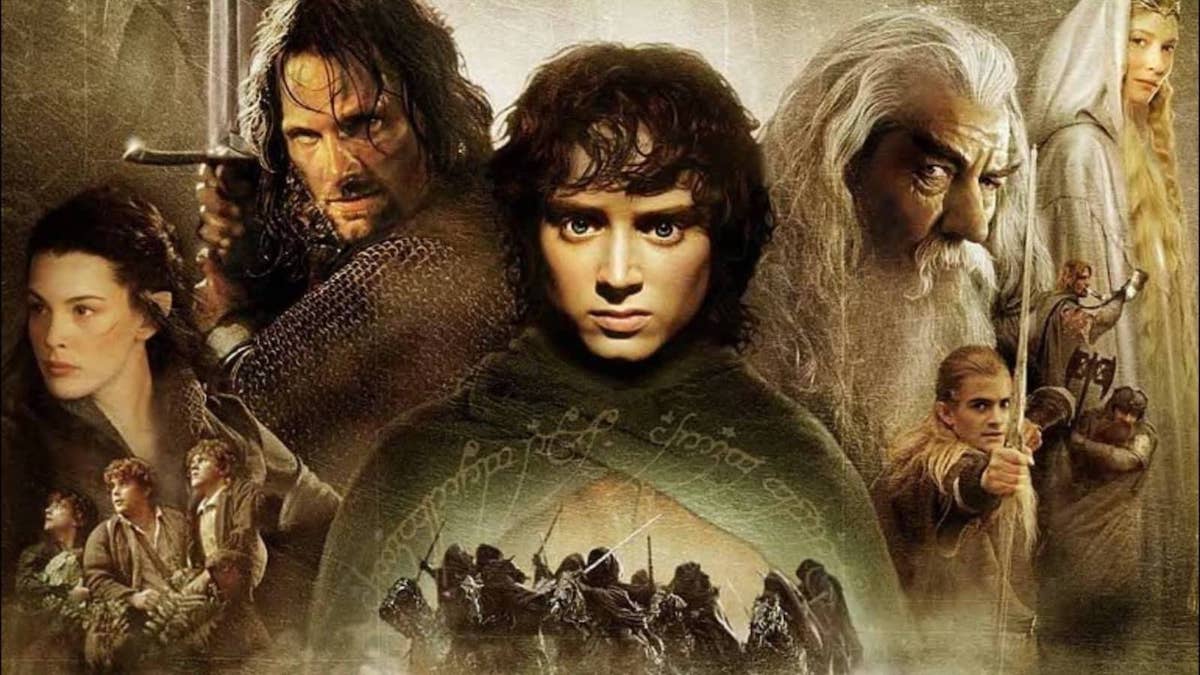
Ever since news of the COVID-19 pandemic has swept the globe, people have taken to the comfort of books. Certain classics like J.R.R. Tolkien’s The Lord of the Rings, despite having been written several years ago, are somehow able to capture what we are all feeling as we face times of uncertainty.
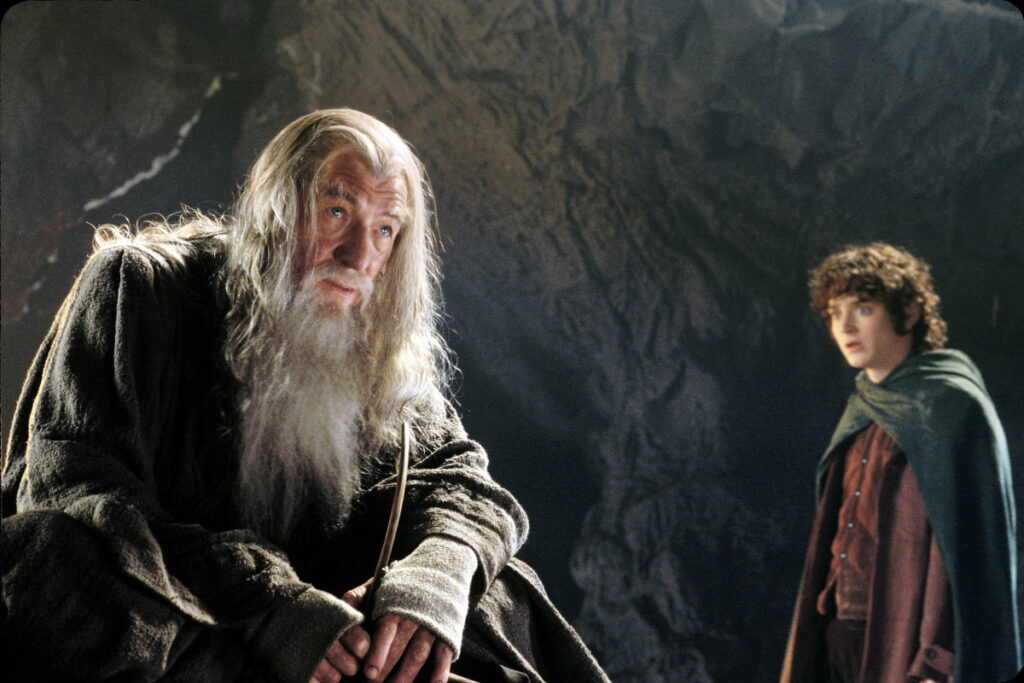
Perhaps one of the most popular quotes taken from The Lord of the Rings to describe these times is a conversation between Frodo and Gandalf during a moment of self-reflection for the former as he wished away the burden of being Ringbearer:
“I wish it need not have happened in my time,” said Frodo.
–The Fellowship of the Ring by J.R.R. Tolkien
“So do I,” said Gandalf, “and so do all who live to see such times. But that is not for them to decide. All we have to decide is what to do with the time that is given us.”
And true enough, haven’t we all, at least once at some point, wished that we were living in times that didn’t have to be as trying or as difficult as these? We look at the news and it’s all so depressing and can cause us to feel some levels of worry and anxiety. Gandalf’s advice rings true, however, just as it rang true for Frodo: in the times when we find ourselves in a situation which we cannot alter, our only course of action is to decide how we will respond to it, a response that will show a great deal about our character and what we value.
Personally, my favourite one is an observation from Haldir, one of the elves from the fair land of Lothlorien:
“The world is indeed full of peril, and in it there are many dark places; but still there is much that is fair, and though in all lands love is now mingled with grief, it grows perhaps the greater.”
–The Fellowship of the Ring by J.R.R. Tolkien
We have all been affected one way or another, and it is an effect that pretty much changes our outlook on life and the world we live in. Scattered across social media sites and blog posts are thoughts on how we should go on from where we are right now. People are talking about a new normal, about moving forward instead of going back to what we were used to. And as dark as these times seem, I like how Haldir declares that there is still beauty in the midst of grief. Along with our experiences comes the shaping of our characters, the refining of our choices. It’s out of the ashes that a phoenix rises, it’s out of times like these that people show resiliency and perseverance.
I recently read a whole chapter (“The Steward and the King”) in the last book of The Lord of the Rings series, The Return of the King, that talks about a darkness covering the land of Gondor, the last few days before the darkness was defeated. And I couldn’t help but think of how fitting it is in times like this.
In this chapter, Aragorn and the armies of Gondor and Rohan are marching to the Black Gate of Mordor to fight Sauron in what is presumed to be the last battle of mankind. It begins with the people of Gondor sitting on the edge of their seats, waiting with fearful hearts, afraid that each day will bring bad news:
Over the city of Gondor doubt and great dread had hung. Fair weather and clear sun had seemed but a mockery to men whose days held little hope, and who looked each morning for news of doom.
We learn that there are those who have to remain behind in Minas Tirith (the capital city of Gondor), however, such as those injured from the Battle of the Pelennor Fields who are receiving care from the Houses of Healing. Included among these soldiers is Lady Éowyn of Rohan, the niece of King Théoden, who succeeded in killing the Witch-King of Angmar with the aid of the Hobbit, Meriadoc Brandybuck.
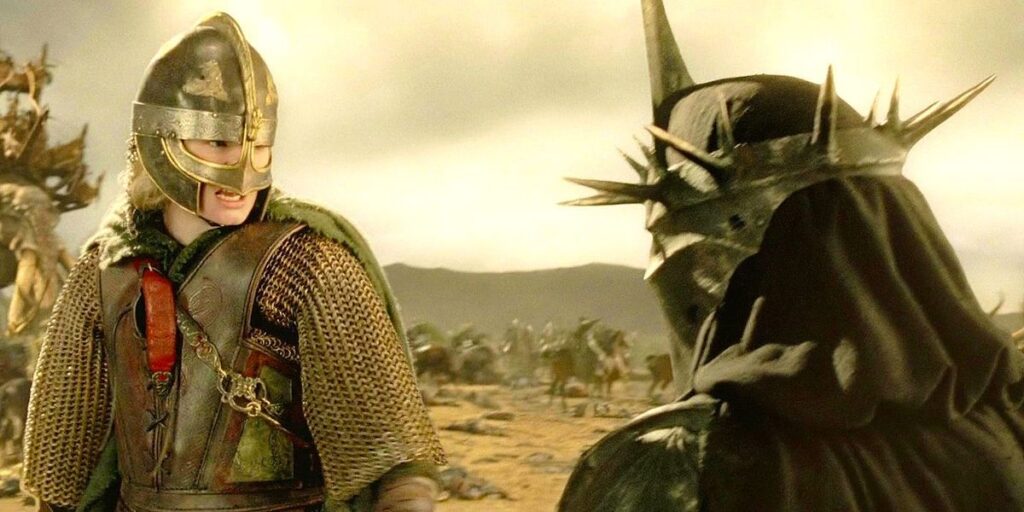
If you know Éowyn, you can assume how impatient and restless she must have been to learn that she couldn’t ride out to war with the others, but was commanded to remain in the Houses of Healing until she was completely healed. In the first few paragraphs, we see her questioning the Warden of the Houses of Healing, asking for news of the war, asking if there is something she can do or who she can talk to about her wish to leave the Houses of Healing and, if possible, follow the rest of the men into battle (which she believes is a lot better than sitting down and doing nothing and waiting for darkness to fall).
How many of us can relate to that? How many times do we long to do something, but are forced to remain at home or sit and wait for the time being? Éowyn declares that she cannot “lie in sloth, idle, caged.” She wants to go out there, she wants to do something.
Éowyn meets Faramir, the Steward of Gondor, who was, not too long ago, a patient of the Houses of Healing as well. He, just like Éowyn, often looks eastward towards Mordor, where the rest of the armies are marching and where they would be marching too, if not for their current (lack of) health.
Éowyn tells him of her wish to march into battle, but Faramir, in a very gentle way, tells her that they could no longer ride after those who have gone to battle and they have to follow the command of the Warden, to stay in the Houses of Healing until they are well enough to leave. “You and I, we must endure with patience the hours of waiting,” Faramir tells her.
A lot of times, when we face uncertainty, our hours are filled with waiting much more than they are filled with doing. Waiting for news of family, friends, loved ones. Waiting for results to come out. Waiting for this to end. Waiting for things to get better.
As the chapter goes along, we find Éowyn and Faramir often standing upon the walls and looking to the east. We learn that, even after seven days, “no tidings had yet come, and all hearts were darkened. The weather, too, was bright no longer. It was cold. A wind that had sprung up in the night was blowing now keenly from the North, and it was rising; but the lands about looked grey and drear.”
Seven days of silence. Seven days of long periods of waiting. Seven days of hoping for news.
Isn’t that what our lives are like sometimes? In the days when there is no news or word of what we are hoping for, the hours pass by slowly and the days are too long. We wait endlessly on the edge of the wall for a word, a sign of some sort, telling us that all will be well. We strain through the deafening silence and reach out to a hope that seems so far away.
“I stand upon some dreadful brink, and it is utterly dark in the abyss before my feet, but whether there is any light behind me I cannot tell. For I cannot turn yet. I wait for some stroke of doom.”
Will things get better? Are we near the end? Is this still the beginning? Are we somewhere in the middle? We ask these over and over, and sometimes–no, always, always, things get worse before they get better.
…and it seemed to them as they stood upon the wall that the wind died, and the light failed, and the Sun was bleared, and all sounds in the City or in the lands about were hushed: neither wind, nor voice, nor bird-call, nor rustle of leaf, nor their own breath could be heard; the very beating of their hearts was stilled. Time halted.
And then, just when we least expect it, things do get better:
Then presently it seemed to them that above the ridges of the distant mountains another vast mountain of darkness rose, towering up like a wave that should engulf the world, and about it lightnings flickered; and then a tremor ran through the earth, and they felt the walls of the City quiver. A sound like a sigh went up from all the lands about them; and their hearts beat suddenly again.
On the days when it feels like we’ll never get through these dark times or we’ll never get the news we’re waiting for, we’ll never go back to “normal”, hang in there. If there’s anything we’ve learned, it’s that these bad days will soon end and there is a light at the end of the tunnel. Just like in The Return of the King, there is still hope—there is always hope—even in these dark days.


